
Last Updated on 13th August 2026
Read Time: 5.5 Minutes
13th August 2026
Whilst sexual experimentation can be a normal part of puberty, research suggests that the impact of consuming internet pornography is detrimental to the development of both boys and girls and their perspectives on sex and relationships.
Pornography is no longer something “they’ll come across one day”. For many young people, it is their first introduction to sex. Surveys completed by the Children’s Commissioner found that 70% of under 18’s had watched pornography, (up from 64% in 2023) and more than a quarter (27%) of survey respondents had seen pornography by the age of 11. Often, they aren’t intentionally seeking it out – 59% of children reported seeing pornography online by accident.
Unlike real-life conversations or trusted education, pornography doesn’t come with context, emotional nuance, or evident consent. It shows performance, not connection. Power, not partnership. When young people learn about sex from content designed for entertainment and sexual gratification, it can reshape their understanding of relationships, intimacy, masculinity, and respect for women and girls.
Across the UK, Relationships and Sex Education (RSE) is a statutory part of the curriculum, but what is taught and when, differs by nation. In England, Wales, Scotland and Northern Ireland, younger pupils are taught about friendships, families, respect and online safety. In England, the recently updated Relationships and Sex Education guidance by the Department for Education states that although sex education is not compulsory in the primary curriculum, it is recommended that primary schools teach this topic in Years 5 and/or 6 (Primary 6 and 7).
England and Scotland have both recently overhauled their statutory guidance (2025 and Feb 2026 respectively) specifically to address pornography, misogyny, and online harms in more depth. However, the reality is that many young people are exposed to pornography long before it’s formally addressed in the classroom, if at all. As a result, pornography often fills the gap in education, shaping young people’s understanding of sex and relationships with unrealistic and sometimes harmful expectations.
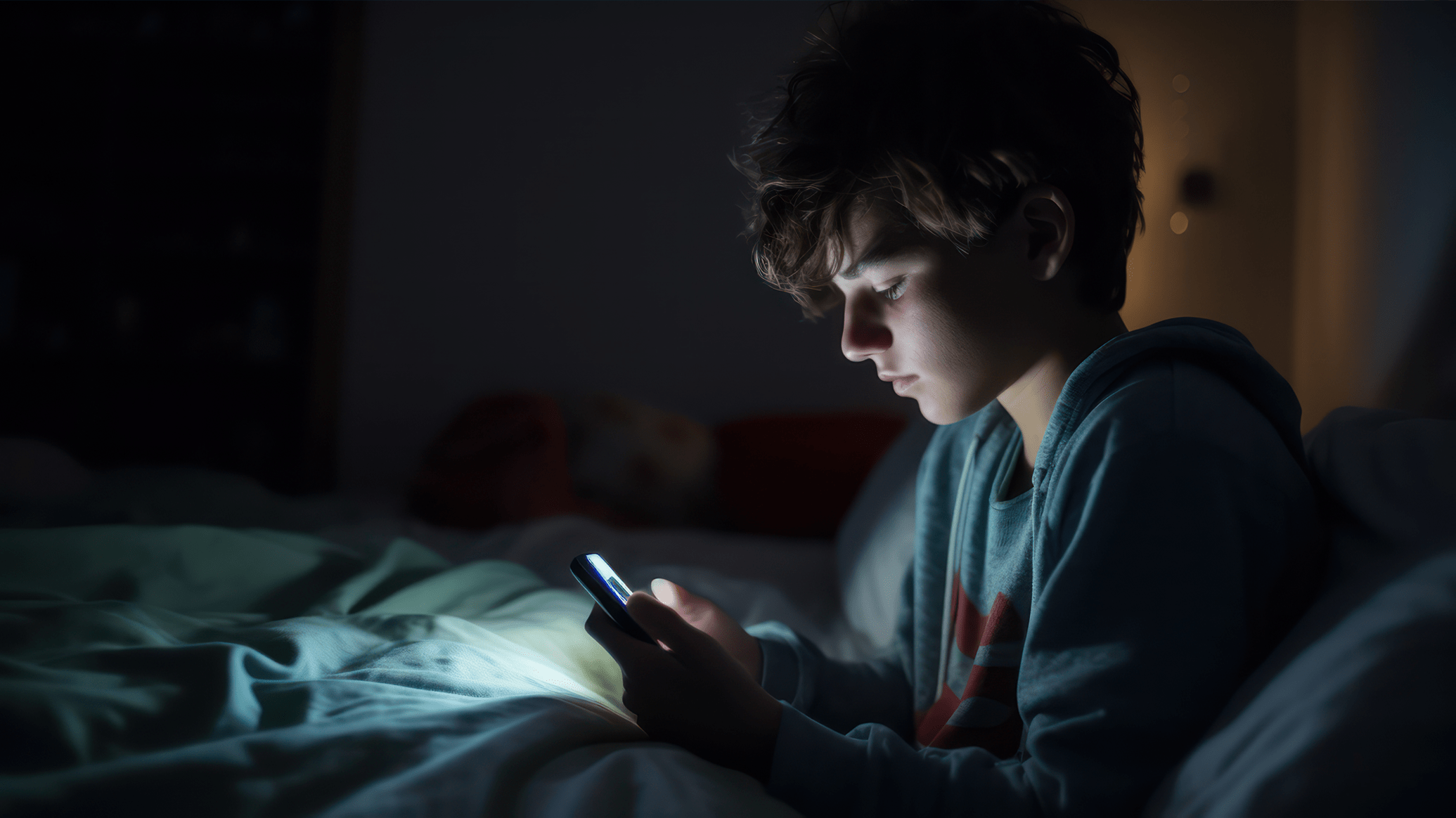
Pornography is not just teaching young people about sex, it’s also shaping their understanding of power, gender roles, and relationships. Much of the content young people encounter promotes dominance, control, and performance, rather than communication and consent. 44% of survey respondents agreed with the statement “Girls may say no at first but then can be persuaded to have sex” with girls more likely to agree with the statement than boys were.
Women are often portrayed as objects, and intimacy is frequently replaced with unrealistic and sometimes aggressive acts. For young people who are still navigating their understanding of relationships, these messages can become dangerously embedded. Without guidance or critical discussion, pornography becomes their trusted source, shaping their expectations of sex and masculinity in ways that can be harmful – not only to others, but also to their own emotional development and sense of self.
Pornography also plays a role in shaping a young person’s expectations around self-worth. Research suggests for many boys, porn becomes a silent guide to what it means to “be a man”, often promoting a version of masculinity rooted in dominance, emotional detachment, and physical performance. Vulnerability, communication, and mutual respect are rarely shown, leading boys to believe that these traits are unimportant or unmasculine. Likewise, the unattainable body image standards presented have a damaging impact on girls, specifically regarding the expectation that boys may have about girl’s bodies and overall appearance.
Over time, these messages can distort how young people view themselves and others. This highlights how pornography not only shapes expectations but can also undermine young people’s confidence and emotional development during a crucial stage.
Concerningly, a growing body of research suggests that young people being exposed to violent or degrading pornography may begin to normalise these behaviours. Acts like choking, slapping, or degrading language are increasingly seen by some as standard sexual behaviour, with little awareness of the importance of consent or mutual enjoyment. Surveys reported 58% of young people had seen incidents depicting strangulation and 44% had seen a depiction of rape in pornography, before the age of 18. Without alternative narratives, young people can be left confused about what is acceptable, or even pleasurable, for their partners. This can make it harder for them to build respectful and safe sexual relationships as they grow older.
What can you do?
Ask open questions
With 59% of children and young people having accidentally seen pornography online, a simple question like “Have you seen anything online that made you feel weird or uncomfortable? You can tell me if you ever do.” can open the door for them to talk if it’s affected them and lets you address their curiosity before they go looking for answers elsewhere.
Use parental controls and filters
For parents, check out our Safety Centre for guidance on setting up age-appropriate controls across apps, browsers and devices.
Respond calmly
If a child or young person tells you about something they’ve seen online, try to stay composed rather than reacting with shock, judgement or punishment — even if they went looking for it themselves. Knowing they have someone stable and trustworthy to turn to means they won’t feel like they have to deal with it by themselves.
Use examples from the media or everyday conversations
Programmes such as Love Island or other TV shows or films can provide useful examples of both healthy and unhealthy relationships and can serve as a starting point for conversation. Discussing familiar characters, situations or storylines can feel less staged and scripted, making it easier for them to share their thoughts, ask questions and open up about their own experiences and views.
Join our Online Safeguarding Hub Newsletter Network
Members of our network receive weekly updates on the trends, risks and threats to children and young people online.