
Reading Time: 4.8 mins
6th March 2026
Due to the ever-changing digital landscape, the script of childhood is always being rewritten. Today, many parents, carers and professionals know the benefits, as well as the challenges of technology, from the risks of infinite scrolls and persuasive algorithms to exposure to harmful and illegal content, and they want to be heard.
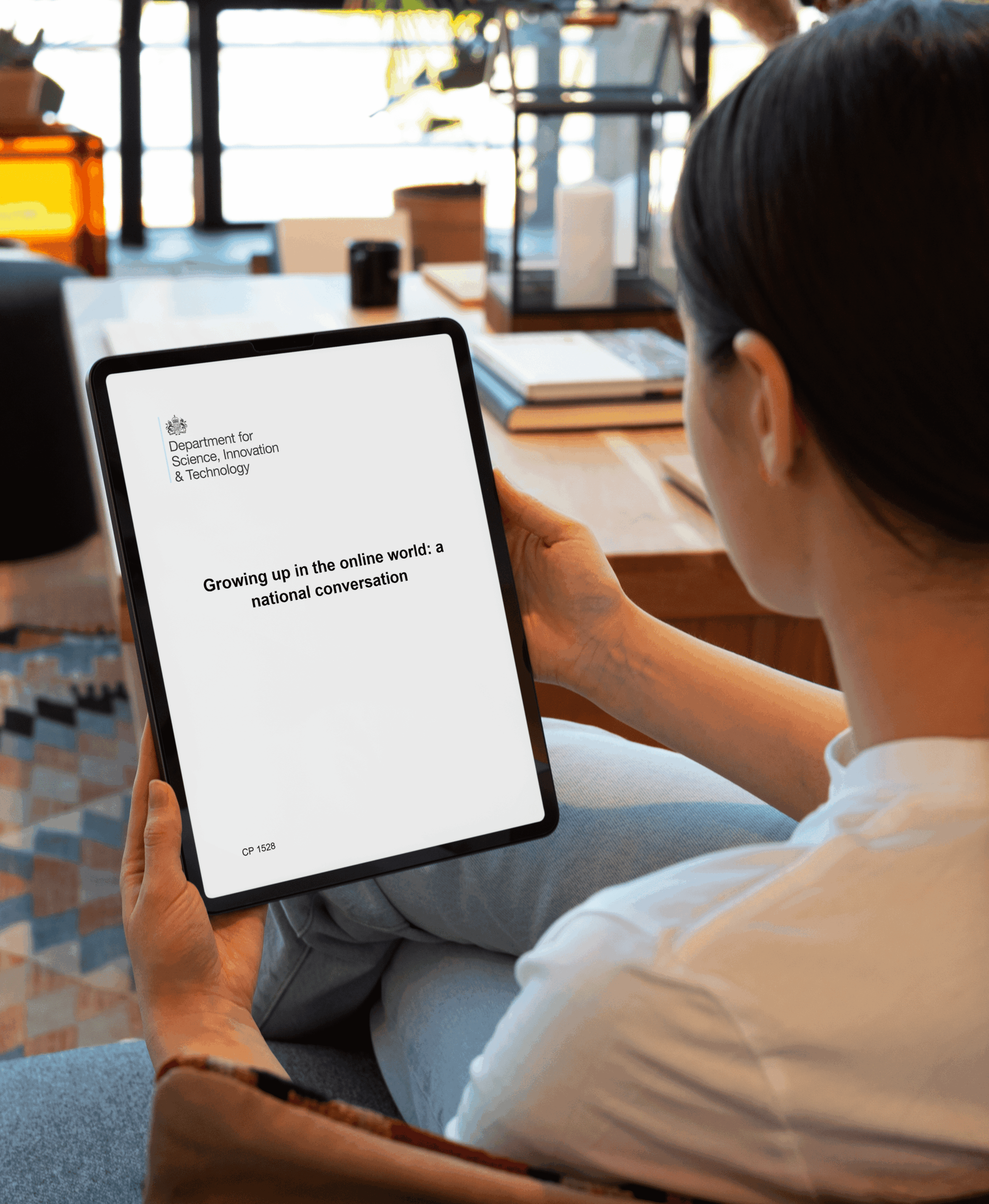
On the 2nd March 2026, the UK government launched a national consultation: ‘Growing up in the online world.’ This national conversation is an initiative designed to gather evidence on how to better protect children and support families in age of rapid technological change.
This is an important opportunity for your voice to help shape the legislation that will guide the digital upbringing of both this generation, and those to come.
What is the Consultation Addressing?
The government is seeking views on measures that go beyond existing protections in the Online Safety Act 2023. The consultation focuses on several key areas:
The Debate about Bans – Expert Perspectives
The prospect of a social media ban for under-16s has sparked a wide-ranging national debate. While Jonathan Haidt highlights the impact of a phone-based childhood on mental health in his book, ‘The Anxious Generation’, others, such as Professor Sonia Livingstone, emphasise the need to balance protection with children’s rights to participate and learn in the digital world. Professor Pete Etchells also suggests we look closely at the content and context of screen use, rather than just screen time.
Many academics stress that links between screen time, social media use and mental health difficulties do not conclusively prove causation and call for further focused longitudinal research. The topic remains a subject of ongoing debate.
A central voice in this conversation is Jim Gamble, QPM, CEO of INEQE Safeguarding Group (incorporating Safer Schools), who advocates for sensible restrictions rather than outright bans. He argues that the focus must be on ‘safety by design’, compelling tech companies to remove the harmful algorithms that push children toward dangerous content. Gamble also stresses that the government must hold social media companies to account through greater deterrents for those who fail to protect children.
The consensus across the sector is that any legislative change must be accompanied by robust education. We must empower parents, carers, professionals and children with the resilience to navigate the digital world. Initiatives like Safer Schools and the Digital Proficiency Course play a crucial role here, ensuring the community is educated and protected. The core challenge is avoiding a ‘cliff-edge’ effect at age 16, ensuring that restrictions are sensible and that we foster a generation of digitally literate young people who are supported rather than just restricted.
The Safer Schools Digital Proficiency Course
How to Take Part
The government has provided three distinct surveys to ensure everyone’s perspective is captured.
1. Choose the Right Survey
For Professionals
Use the Full Consultation Survey if you are responding in a professional capacity—for example, as an educator, health professional or industry expert.
For Parents and Carers
Use the dedicated Parent/Carer Survey if you have children or young people in your care up to the of age 21.
For Children and Young People
If you work with or have children or young people aged 10–21, encourage them to share their views via the Children and Young People Survey.
2. Prepare Your Response
You do not need to be a technical expert to participate. The most valuable evidence is your lived experience. It takes approximately 10–20 minutes to complete the survey. Consider:
Friction Points
Which features of social media or gaming cause the most concern in your setting?
Implementation
What practical barriers to enforcement do you foresee for new rules?
What Works
Have you seen specific tools or school policies that successfully support healthy digital habits?
Lead the Way in Digital Resilience with the Digital Proficiency Course
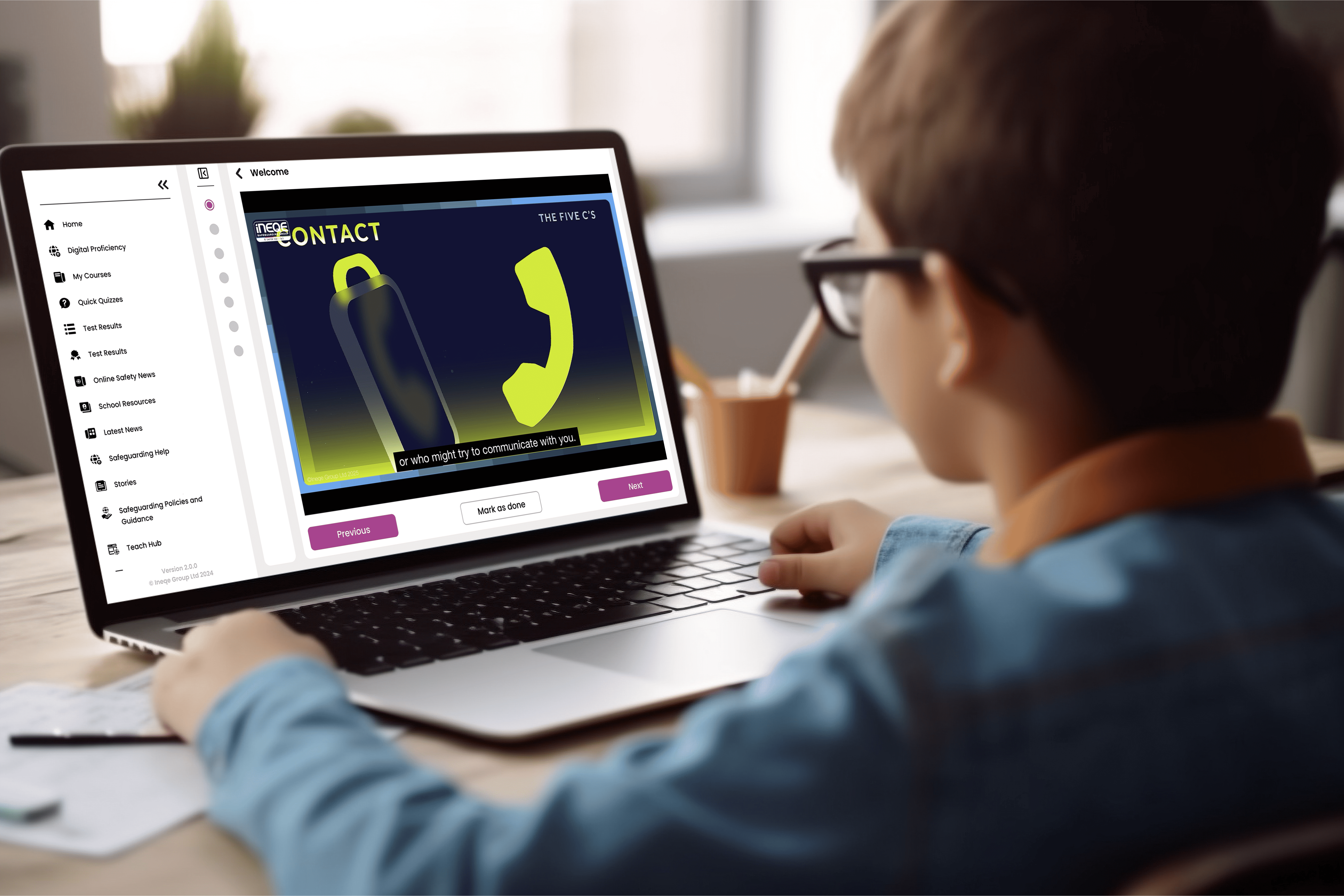
We believe education is the best form of protection and prevention. We are proud to announce our brand new Digital Proficiency Course, available from 5th February ahead of Safer Internet Day 2026, accessible exclusively through our Safer Schools App platforms.
Covering the “5 C’s” of online risk – Content, Contact, Conduct, Commerce, and Cyber Security – this expert-led, video-based learning provides actionable data to evidence impact and tailor your safeguarding strategy.
Click below to learn more and commit your school to participate.
Join our Online Safeguarding Hub Newsletter Network
Members of our network receive weekly updates on the trends, risks and threats to children and young people online.