
Reading Time: 9 mins
9th October 2026
Com Networks (also known as The Com and including groups such as 764) are online groups of people who set out to cause serious harm, both online and offline, through physical, sexual and financial crimes. Members gain status within the group by obtaining the most extreme and disturbing content. This includes coercing young people into recording or sharing images of sexual or physical abuse, either of themselves or of others.
The National Crime Agency (NCA) has warned that thousands of individuals across the UK and other Western countries have exchanged millions of messages about physical and sexual abuse. A specialist UK taskforce now investigates Com Networks, and the NCA receives 35 to 50 referrals every week.
The NCA reports that offenders are predominantly teenage boys. Victims can be girls or boys, and may be thousands of miles away from their abuser. In one recent example, a 16-year-old boy linked to a satanic Com group admitted to making indecent images of other children and encouraging self-harm. He began offending at just 14 and targeted between 50 and 100 other children worldwide from his bedroom.
How do Com Networks function?
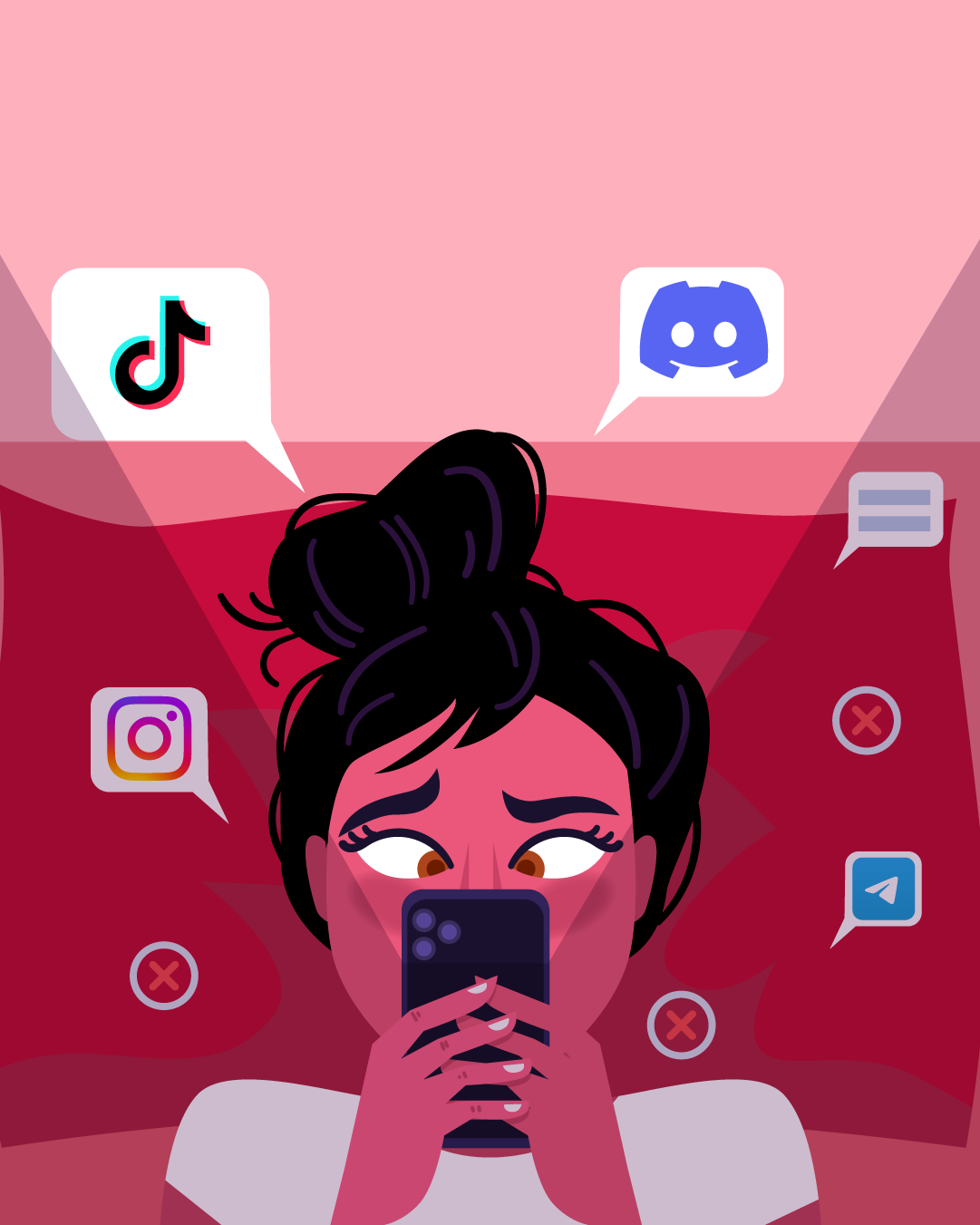
Members often first make contact with young people on mainstream social media, popular games and public forums such as TikTok, Roblox and Reddit.
Any child or young person can be targeted. Offenders often seek out those using online support forums for mental health, body image, self-harm, suicidal thoughts or recovery from abuse. Some children face additional risk, including those who are neurodivergent, have special educational needs, are in care, feel isolated offline or are experiencing difficulties at home. These groups can offer them a sense of belonging.
At first, members seem harmless, chatting about shared interests such as gaming or music. Once trust is built, conversations move to private group chats on platforms like Discord, Telegram or Instagram. The young person may believe they have made a real ‘friend’ and begin sharing personal details. Over time, the focus shifts to commands, blackmail and control. Young people may follow these commands to keep the ‘friendship’, or to stop the abuser carrying out a threat, or in exchange for gifts, money or in-game currency.
Simply put, the Com members’ strategy is to build a trusting friendship with their victims to then foster a sense of loyalty, this allows them to harness control over their victim. Their goal is to maintain this control so they can initiate exploiting and abusing the child or young person.
The motivation behind this manipulative behaviour is notoriety. Members gain power within the group by collecting shocking and graphic images and videos. Each tries to outdo the others with more depraved content. Members may collaborate or compete to incite self-harm, sexual abuse, and even suicide. Some groups hold ‘watch parties’ to view this harm live.
The Risks
Com Networks pose many dangers and can become a pathway to serious harm for children and young people. Two of the most significant are outlined below.
1. The first is becoming a victim of control and violence as members demand graphic content. A young person who believes they are in a friendship or relationship may share personal information or nude or semi-nude images. These are then used for sextortion: the young person is told to obey, or the images will be sent to their family, friends or school.
2. The second danger is that a child may be recruited into a Com Network, become radicalised by their beliefs and follow their rules in order to climb the hierarchy or stay in the group. By the time the harm becomes clear, they are often emotionally invested, which makes it harder to step away. They may even be told to recruit other children. Children drawn in this way may go on to harm others, but they are also being exploited and need to be safeguarded. Members often use deliberate misspellings to avoid moderation on platforms such as TikTok and Roblox in order to recruit new members or find other members of the Com.
Harmful and Illegal Content
Members set sadistic, misogynistic or sexual challenges and dares designed to humiliate, blackmail or test loyalty. These include:
Coerced Self-Harm or Abuse
Victims, often young girls, are manipulated into hurting themselves or others, including siblings and pets, while being filmed or forced to take pictures of the harm. This footage becomes digital collateral and is used as clout or currency within the network.
Doxing and Harassment
Personal information is published online to mock, threaten or harass victims and anyone who breaks the group’s rules.
Normalised Violence
Extreme or illegal imagery is shared to shock or desensitise members, often framed as edgy humour or a test of toughness.
Swatting
False emergency calls are made to send police to a victim’s address.

Recognising Red Flags
Look out for:
Encouraging Young People to Speak Out
Many children and young people find it hard to come forward. They may feel embarrassed, ashamed or fear how their parents or carers will react. Speaking up may mean admitting that they shared a nude or semi-nude image, or that they were made to harm themselves or others. They may also fear losing their devices and contact with friends, or that the abuser will carry out threats to share images or target their family.
Make sure young people hear these key messages, ideally before anything goes wrong:
If a young person does open up, stay calm, listen and avoid judgement. Thank them for telling you and reassure them that something can be done. Try not to take their devices away as a punishment, as this can stop them from coming to you again. Taking their online world seriously makes them more likely to ask for help early.
What can I do?
Prepare and Engage in Conversations
Learn the basics beforehand, but let the young person explain their own online communities in their own words. Talking during everyday activities, such as driving or cooking, can make the conversation feel less intense. If a young person mentions a new group, ask about it with genuine curiosity.
Open Questioning
If you are unsure whether they are involved, start with general questions that do not put them on the spot:
For Professionals
Follow your organisation’s safeguarding policy and share concerns with your Safeguarding Lead or Designated Teacher without delay. Never promise to keep what a young person tells you a secret, but explain who you need to tell and why. Record what was said in the young person’s own words, and never view, copy or forward nude or semi-nude images of children.

Supporting a Safe Exit
If a young person is involved in a Com Network, they need a planned and supported way to leave, as a sudden exit can lead to escalating harassment. Plan this with a trusted professional, such as a teacher, safeguarding lead or police officer, who can provide protection.
Official UK police advice emphasises preserving evidence before taking action:
Useful Resources and Support





More information
You can watch the new Sky News documentary entitled The Com: Online, Sadistic and Deadly to hear real stories of Com Network abuse.
You can read the National Crime Agency’s warning about Com Networks here.

Join our Online Safeguarding Hub Newsletter Network
Members of our network receive weekly updates on the trends, risks and threats to children and young people online.