
Reading Time: 4.5 mins
9th June 2026
Caution: this alert contains descriptions of graphic violence. It is intended for parents, carers, and professionals and is not intended to be shared with or read by children or young people.
Following a serious violent assault in North Belfast (Northern Ireland) late on Monday 8th June, video footage and images of the attack are being widely shared across social media, messaging apps, and online forums. The Police Service of Northern Ireland (PSNI) has declared the incident as “critical” and have begun an investigation. Crucially, they have urged the public not to share or repost the footage, citing further trauma to the victim’s family and the impact on the ongoing investigation. We strongly urge you to support this appeal and consider your safeguarding response.
What the video contains
The content is graphic and deeply distressing as it contains acts of severe violence.
It shows the individual pinning the victim to the ground, repeatedly attacking the back, neck, eyes and face with a knife. The distressed bystanders are heard screaming, using profanity and calling for help to get the attacker to stop. The footage then depicts a man arriving with a hurling stick, striking the attacker repeatedly, attempting to free and protect the victim before the Police arrive.
Despite Police appeals, the reach of the video and images across platforms continues to grow, and there is now a substantial volume of online speculation around motivation, identity, injuries, and, at the time of writing, unverified claims of planned protests reportedly in Northern Ireland for the evening of the 9th June.
The response from political leaders, the UK Government, and the Police has been united in condemnation and in calls for calm, recognising the range of emotions the public will be feeling from ‘fear to anger’, and the need for space to allow justice to take its course.
Why we’re raising this with you
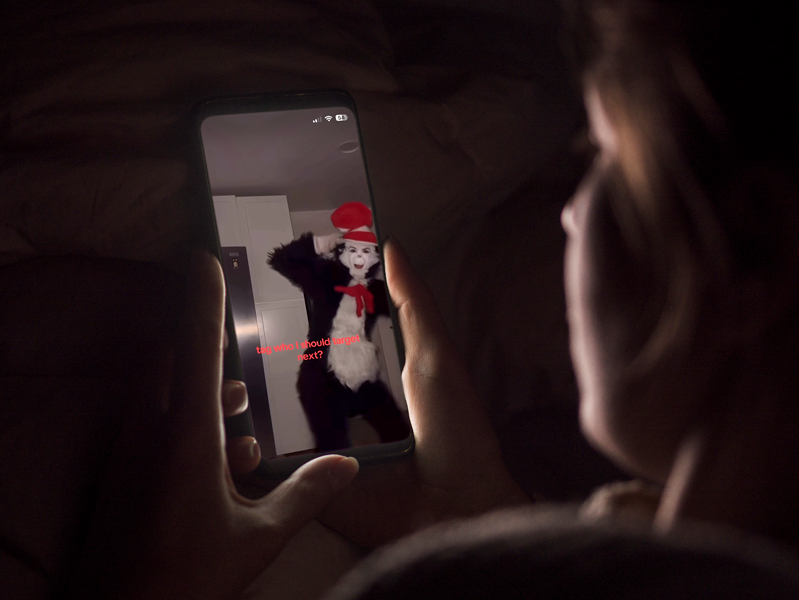
The children and young people in your care may have already encountered the footage, stills, descriptions, video links, or commentary about the incident. It may have even been discussed in playgrounds, buses or on the journey home from school. Without ever searching for it, young people may have been exposed to the footage or imagery through social media algorithms, group chats or peer conversations.
This type of content can be deeply disturbing and upsetting for children and young people as well as adults. Once seen it can’t be unseen.
Mainstream news outlets are applying editorial standards to how they cover the incident (e.g. blurring violence and censoring language), but those protections rarely extend to social media, messaging platforms, or unmoderated online spaces, where graphic material moves quickly and with little context.
What you can do to support the children and young people in your care
Don’t assume awareness means exposure
A child mentioning the incident, repeating language they’ve heard, or asking questions does not necessarily mean they have seen the footage or images. Ask open questions rather than assuming e.g. ‘What would you do if you saw something online that made you feel angry or upset?’
Final Thought
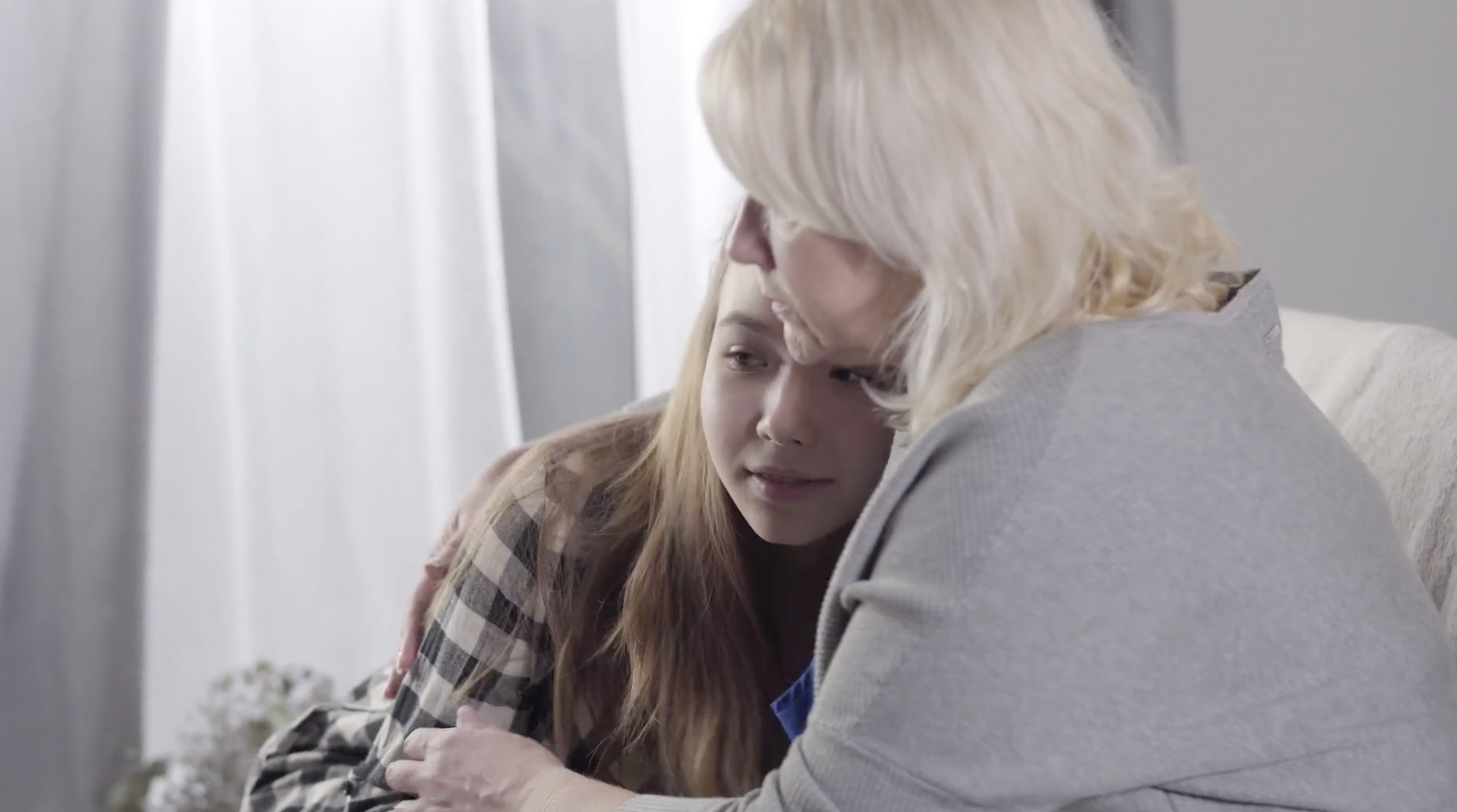
Above all, avoid speculation, remain calm, model sensitivity and kindness in how you respond, and make sure the children and young people in your care know that you are there for them if they want to talk.
We are choosing at this time to not share this article online, but through our Safeguarding and Safer Schools Apps and network. Please share wisely.

Join our Online Safeguarding Hub Newsletter Network
Members of our network receive weekly updates on the trends, risks and threats to children and young people online.